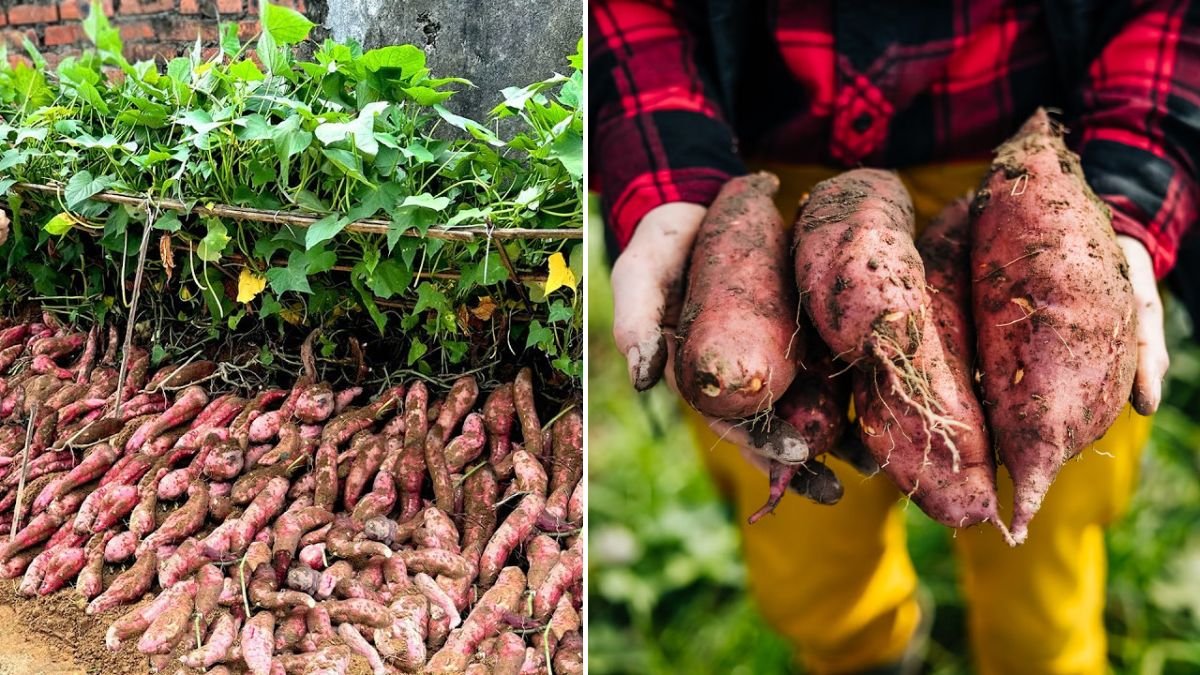
Why Sweet Potatoes Are Worth Growing
Sweet potatoes are more than just a tasty root vegetable—they are a nutritional powerhouse. They are rich in vitamin A, vitamin C, potassium, fiber, and antioxidants. Regular consumption supports immune function, eye health, and digestion, while providing long-lasting energy due to their complex carbohydrates.
One of the most exciting aspects of sweet potatoes is their dual-purpose nature. The tubers are the main prize, but the leaves and vines are edible, nutritious, and can be harvested throughout the growing season. This makes sweet potatoes an ideal choice for gardeners seeking maximum yield from minimal space.
Can You Grow Sweet Potatoes Using Leaves?
It’s important to clarify: sweet potatoes do not grow from leaves alone. However, you can propagate sweet potatoes using leafy slips or vine cuttings, which will eventually produce tubers underground.
Slips are shoots that sprout from a mature tuber. When planted, these slips send nutrients upward into leaves and downward into forming tubers. Some gardeners have experimented with vine cuttings containing leaves, planting them directly in the soil and producing healthy tubers in surprisingly short periods. This method is simple, requires minimal equipment, and can be done even in small garden spaces.
Step-by-Step Guide to Growing Sweet Potatoes Using Leaves and Slips
1. Start with Healthy Slips or Vine Cuttings
Begin with strong, healthy slips. You can grow slips from a mature sweet potato by partially submerging it in water until shoots sprout. Alternatively, vine cuttings with leaves from existing plants can be rooted in soil. Healthy leaves and stems are critical because they supply energy through photosynthesis, which is essential for tuber growth.
2. Prepare the Soil
Sweet potatoes thrive in well-drained, loose, sandy soil rich in organic matter. Avoid heavy clay soils, which can impede tuber development. If your soil is compacted, consider raised beds or large containers to allow tubers room to expand.
3. Planting Slips or Cuttings
Plant slips or cuttings deep enough to cover the roots and a portion of the stem, leaving the leaves above ground. Space plants 12–18 inches apart, allowing the vines to sprawl naturally. Proper spacing ensures adequate airflow and reduces the risk of disease.
4. Provide Optimal Growing Conditions
Sweet potatoes need full sun for at least 5–6 hours per day. Water deeply but moderately, ensuring the soil remains moist but not waterlogged. Too much water can cause rot, while too little can stunt tuber growth. Warm temperatures between 65–85°F (18–29°C) encourage both leaf growth and tuber development.
The leaves are not just decorative—they are the plant’s “engine,” converting sunlight into sugars that are stored in the tubers. For best results, leave enough foliage for photosynthesis and only harvest leaves sparingly during the growing season.
5. Supporting Vine Growth
Allow vines to sprawl naturally across the garden bed or gently guide them along trellises. The goal is to maximize leaf exposure to sunlight. The more healthy leaves you have, the more energy the plant can produce for tuber growth.
6. Fertilization and Soil Care
Sweet potatoes respond well to organic compost or balanced fertilizers. Avoid excessive nitrogen, which promotes leaf growth at the expense of tuber development. Mulching around the base of the plant helps retain moisture, suppress weeds, and maintain stable soil temperatures.
7. Harvest Timing
Most varieties are ready for harvest 90–120 days after planting slips or cuttings. Signs that your sweet potatoes are ready include:
- Leaves starting to yellow and die back
- Vines slowing growth
Use a garden fork to carefully lift the tubers, taking care not to bruise or cut them.
8. Curing and Storage
After harvesting, sweet potatoes benefit from a curing period of about 5–7 days in a warm, humid environment. This process increases sugar content, improves flavor, and enhances storage life. Properly cured sweet potatoes can be stored for up to six months in a cool, dry place.
How Leaves Contribute to Maximum Tuber Yield
The leaves and vines are critical for producing larger tubers. Through photosynthesis, they generate carbohydrates that travel down to the roots for storage. Healthy, green leaves throughout the growing season correlate with higher yields and larger, sweeter tubers.
You can even harvest young leaves for salads or stir-fries. These greens are rich in vitamin A, vitamin C, iron, and antioxidants. Just be careful not to remove too many leaves at once—retain at least two-thirds to keep the plant healthy and productive.
Advantages of Using Vine Cuttings or Leaves for Propagation
- Cost-effective: No need to buy new tubers every season.
- Quick establishment: Vine cuttings with leaves root faster than some other propagation methods.
- Dual harvest: Enjoy both tubers and nutritious leaves.
- Flexible planting: Works in beds, containers, or even small urban gardens.
This approach is increasingly popular among urban gardeners and small-scale farmers who want high yields from limited space.
Creative Ways to Use Sweet Potato Leaves
Sweet potato leaves are highly versatile:
- Stir-fries: Sauté with garlic and olive oil
- Soups: Add to broths for added nutrition
- Salads: Use young tender leaves fresh
- Wraps: Replace lettuce with sweet potato greens
In addition to being delicious, they are a source of vitamins and minerals that complement the nutritional profile of the tubers.
Common Mistakes to Avoid
- Over-harvesting leaves: Removing too many leaves reduces photosynthesis and slows tuber growth.
- Overwatering: Saturated soil can lead to tuber rot.
- Planting too closely: Crowded plants compete for nutrients and sunlight.
- Ignoring soil preparation: Compacted soil results in misshapen tubers.
By avoiding these mistakes, you can maximize both tuber size and leaf yield.
Suggested Authoritative Sources
For more in-depth guidance and growing tips:
- Plantura – Growing Sweet Potatoes: Comprehensive guide to cultivation and harvest. (plantura.garden)
- Greeny Gardener – Edible Sweet Potato Leaves: Tips for harvesting and cooking greens. (greenygardener.com)
- Cafe Madras – Grow Sweet Potatoes Anywhere: Innovative dual harvest method. (cafemadras.org)
- The Potager Project – Sweet Potato Slips: Step-by-step propagation guide. (thepotagerproject.com)
Final Thoughts
Growing sweet potatoes using leaves and slips is not a shortcut, but it is a simple and highly effective method to maximize both tuber and leaf harvests. By nurturing healthy vines, providing optimal sunlight and soil conditions, and harvesting carefully, you can enjoy a bumper crop of tubers while also benefiting from nutritious leafy greens.
Whether you are a home gardener, urban grower, or small-scale farmer, this method offers a flexible, low-cost, and high-reward approach to cultivating one of the most valuable root crops. Start your sweet potato garden today, and enjoy the dual bounty of delicious tubers and healthy greens all season long.