Why Napa Cabbage Is Tricky (and Why That’s Good News)
Napa cabbage belongs to the brassica family, along with broccoli, kale, and regular cabbage. What makes it special is its tenderness and mild flavor—but that same tenderness also makes it sensitive to stress. Unlike hardy cabbages that tolerate wide swings in temperature, napa cabbage prefers cool, steady conditions. When it experiences heat, drought, or sudden changes, it reacts by going into survival mode. That survival mode is what gardeners call bolting, when the plant sends up a flower stalk instead of forming a tight, juicy head.
The good news is that napa cabbage is not difficult to grow once you understand what it wants. Avoid a few key mistakes, and it will reward you with fast growth and beautiful heads.
The #1 Mistake: Planting at the Wrong Time
The single biggest reason people fail with napa cabbage is planting it when the weather is too warm or too unstable. Many gardeners treat it like lettuce or regular cabbage and sow seeds whenever they have space in the garden. Unfortunately, napa cabbage is far less forgiving.
Napa cabbage thrives when daytime temperatures stay roughly between 60°F and 75°F (15–24°C). When temperatures climb much above that range, especially for several days in a row, the plant feels threatened and tries to reproduce as quickly as possible. That’s when you get tall flower stalks instead of crisp heads.
This is why so many gardeners think they “did everything right” but still end up with bitter, stringy plants. They didn’t fail at watering or fertilizing—they failed at timing.
Fix #1: Plant in the Right Season
The easiest way to grow great napa cabbage is to plant it when nature already provides the right temperatures.
Spring planting:
Start seeds indoors 4–6 weeks before your last expected frost. Transplant seedlings into the garden while the weather is still cool, and harvest before true summer heat arrives.
Fall planting:
In many climates, fall is actually the best season for napa cabbage. Direct-sow seeds or transplant young plants about 8–10 weeks before your first expected frost. As temperatures cool, napa cabbage forms sweet, tight heads with far less risk of bolting.
If you live in a very hot climate, skip spring planting altogether and focus on fall or winter growing when conditions are naturally kinder.
Fix #2: Keep Soil Evenly Moist
Another major growing napa cabbage mistake is uneven watering. Napa cabbage has shallow roots and large, tender leaves, which means it needs a steady supply of moisture. If the soil dries out and then suddenly gets soaked, the plant becomes stressed—and stressed plants don’t make good heads.
The goal is not to drown your cabbage but to keep the soil consistently moist, like a wrung-out sponge. Water deeply so moisture reaches the root zone, and then allow the top inch of soil to dry slightly before watering again. Mulching around the plants with straw, leaves, or compost helps retain moisture and keep soil temperatures stable.
Fix #3: Give Plants Enough Space
Crowding is another hidden reason napa cabbage fails. When plants are packed too close together, they compete for light, water, and nutrients. Air circulation drops, making diseases more likely, and heads stay small and loose.
For best results, space napa cabbage plants about 12 to 18 inches apart in all directions. This gives each plant room to spread its leaves and form a full, dense head. It may look like wasted space at first, but the payoff comes at harvest time.
Fix #4: Protect From Heat and Sun
Even if you plant at the right time, unexpected heat waves can strike. When temperatures suddenly spike, napa cabbage can bolt in just a few days. This is why smart gardeners plan ahead with simple protection.
If a hot spell is forecast, use shade cloth, old bedsheets, or lightweight row covers to block the harshest sun during the hottest part of the day. Even a few degrees of cooling can keep plants calm and productive. In very sunny gardens, planting napa cabbage where it gets afternoon shade can make a huge difference.
Fix #5: Feed the Soil, Not Just the Plant
Many people try to grow napa cabbage in poor or tired soil and then wonder why it struggles. Napa cabbage grows quickly and needs a steady supply of nutrients, especially nitrogen and potassium. But there is a balance to strike.
Before planting, work plenty of compost or well-rotted manure into the soil. This improves drainage, moisture retention, and nutrient availability. During the growing season, a light feeding with a balanced organic fertilizer or compost tea keeps plants growing steadily without forcing too much leafy growth at the expense of head formation.
Avoid heavy doses of high-nitrogen fertilizer, which can cause huge leaves but loose, poorly formed heads.
Extra Tips for Foolproof Napa Cabbage
Once you avoid the main growing napa cabbage mistakes, a few extra habits can take your harvest to the next level.
Choose the right variety:
Some napa cabbage varieties are bred to resist bolting and tolerate warmer conditions. If you struggle with heat, look for bolt-resistant or heat-tolerant cultivars.
Rotate your crops:
Do not plant napa cabbage in the same spot year after year. Crop rotation reduces the buildup of pests and soil-borne diseases that target brassicas.
Watch for pests early:
Flea beetles, cabbage worms, and aphids love tender napa cabbage leaves. Using row covers early in the season and inspecting plants regularly prevents small problems from becoming big ones.
What a Healthy Napa Cabbage Should Look Like
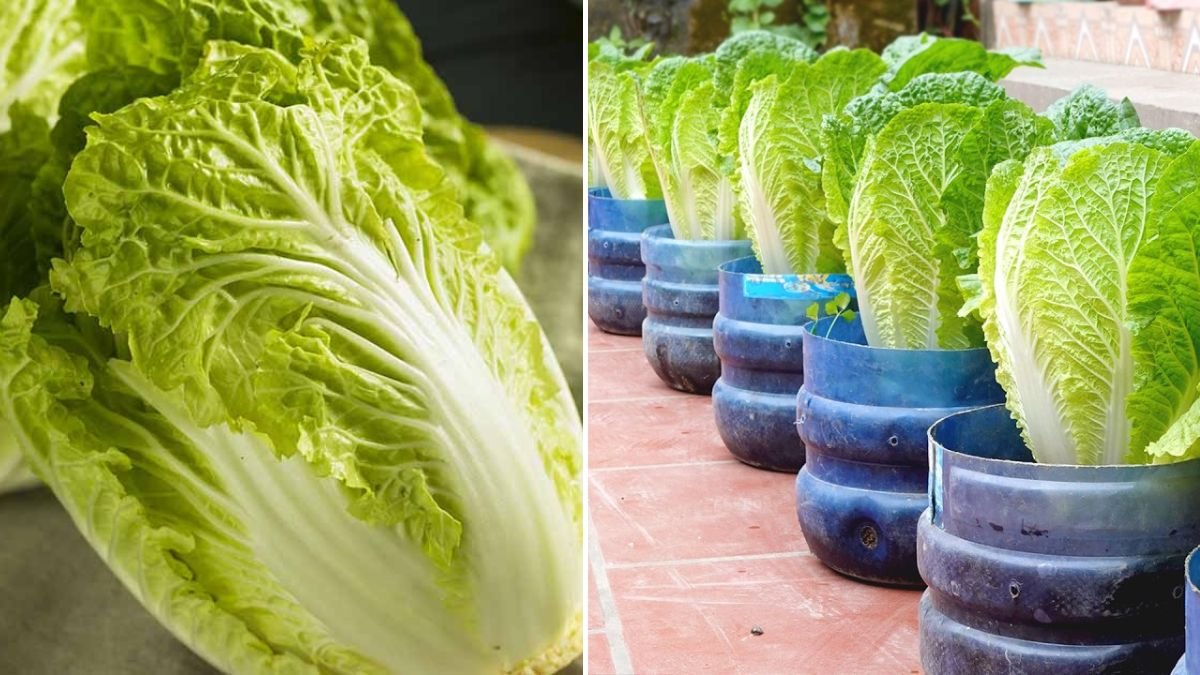
When grown correctly, napa cabbage plants develop a wide rosette of pale green leaves that gradually fold inward to form an upright, oval head. The leaves should be crisp, juicy, and sweet—not bitter or tough. A mature head feels firm but not rock-hard when gently squeezed.
From planting to harvest, most napa cabbage varieties take only 60 to 80 days, making them one of the fastest-rewarding vegetables in the garden.
Turning Mistakes Into Success
If you’ve struggled with napa cabbage before, don’t give up. Almost every failure can be traced back to one or more of the same few issues: wrong timing, heat stress, dry soil, crowding, or poor soil health. Fix those, and you fix nearly everything.
By planting in the right season, keeping soil evenly moist, giving plants space, protecting them from heat, and feeding the soil properly, you avoid the mistake that trips up 99% of growers. The result is a garden full of crisp, sweet napa cabbage that’s perfect for everything from fresh salads to homemade kimchi.