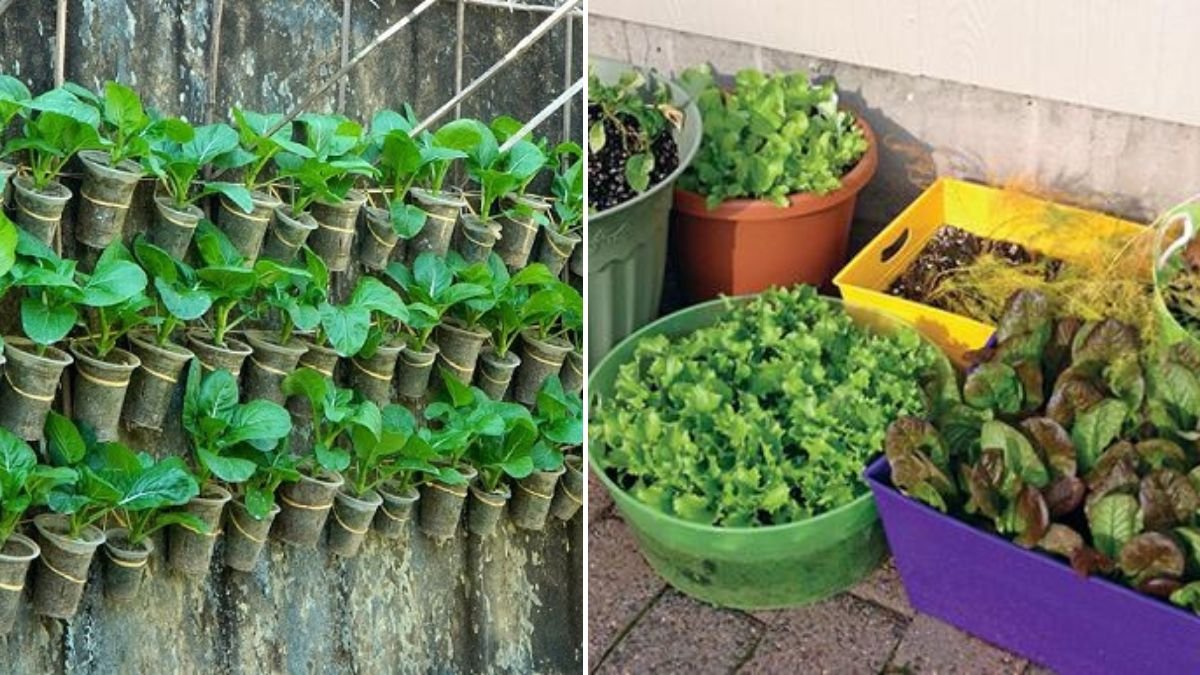
🌱 Introduction: The Power of Growing Your Own Vegetables
In a world where grocery bills seem to climb every season and food costs keep rising, many people are asking a simple yet powerful question: Why buy vegetables when you can grow them? With a few seeds, some soil, and a bit of know-how, you can produce fresh, nutritious, and chemical-free vegetables right at home — dramatically reducing your reliance on store-bought produce. This guide will walk you through the journey from beginner to productive grower, revealing how [FOCUS KEYWORD] can lead to long-term savings, better health, and a more sustainable lifestyle.
📈 Why Grow Vegetables at Home? Background and Global Trends
Across the globe, home gardening’s popularity is surging as a practical response to rising food prices and supply uncertainties. In many countries, consumer advocacy groups have begun encouraging households to start vegetable gardens to offset sharply increasing vegetable costs. For example, in Malaysia, officials urged residents to cultivate greens and herbs at home as prices rose significantly at retail outlets. Vegetables like okra, chillies, and leafy greens thrive even in small containers on balconies and patios — showing that you don’t need acres of land to grow food.
This trend isn’t limited to one region. Community initiatives in urban India have helped families in densely populated areas grow their own veggies in compact spaces, lowering food expenses and improving community bonds. The time has come to embrace self-sufficiency and truly make the transition from buying to growing.
💡 The Key Benefits of [FOCUS KEYWORD]
Growing your own vegetables offers a wide range of benefits — from financial savings to environmental impact and personal well-being:
1. Significant Cost Savings
One of the most attractive reasons to grow vegetables at home is the potential for real monetary savings. Seeds and seedlings cost only a fraction of what you’d spend at the grocery store, and over time your garden can yield produce worth far more than the initial investment. You also reduce food waste by harvesting only what you need when you need it — a stark contrast to buying fixed quantities from the store.
Even simple kitchen gardens can yield vegetables such as lettuce, tomatoes, herbs, and chillies that are among the most frequently purchased items. Over time, this can significantly reduce your grocery bills.
2. Healthier, Fresher Produce
Homegrown vegetables often surpass store-bought ones in taste, texture, and nutrition. Commercial produce is typically harvested early and stored or transported long distances — which can degrade flavor and nutrient content. When you harvest your own vegetables at peak ripeness, they are fresher and richer in vitamins and antioxidants.
3. Chemical-Free and Organic
By controlling how your vegetables are grown, you eliminate the need for harmful pesticides and synthetic fertilizers that are common in commercial farming. This is especially important for health-conscious individuals, families with children, and those wanting to avoid chemical residues entirely.
4. Environmental Sustainability
Home gardening significantly reduces your carbon footprint. When you grow vegetables at home, you cut down on transportation, packaging, and refrigeration emissions associated with store-bought produce. You also reduce plastic waste by avoiding packaged vegetables.
5. Personal and Community Benefits
Gardening is known to reduce stress, provide gentle physical exercise, and even bring families together. It’s a great way to educate children about the life cycle of plants, responsibility, and sustainability. Moreover, community gardening movements across cities have shown that urban spaces — even in slums or high-density areas — can be transformed into productive green spaces.
🌿 How to Get Started With Your Home Vegetable Garden
Taking the first step toward growing your own vegetables is easier than you might think. Here’s how to begin:
🪴 1. Choose the Right Location
Even if you don’t have a backyard, you can grow vegetables on balconies, window sills, terraces, or patios. Containers, grow bags, and pots are excellent for urban spaces — just ensure they receive plenty of sunlight and have proper drainage.
🌱 2. Select Easy-to-Grow Vegetables
Start with vegetables that are forgiving and productive, such as:
- Lettuces and leafy greens (harvest multiple times)
- Tomatoes and chillies
- Herbs like basil, coriander, and mint
- Beans and peas
- Cucumbers and okra
These plants can thrive in containers and typically grow with basic care.
🧑🌾 3. Use Good Soil and Water Properly
Vegetables need nutrient-rich, well-draining soil. You can enhance your garden with compost made from kitchen scraps, reducing waste and giving your plants a natural fertilizer boost. Water your plants consistently, watching moisture levels to prevent both under- and over-watering.
🌞 4. Learn Basic Gardening Techniques
Companion planting, proper spacing, and pest management help maximize yields and minimize problems. Tips like using aromatic herbs to repel pests or planting nitrogen-fixing legumes can make a big difference in garden health.
🧠 Common Challenges and How to Overcome Them
Growing your own vegetables does come with challenges. Seasonal changes, pests, and space constraints can make gardening tricky. Here’s how to manage:
- Pests: Use natural pest deterrents like neem oil or encourage beneficial insects with flowering plants nearby.
- Heat & Water Issues: Collect rainwater or use mulch to reduce water loss — these can help especially in hot months when water needs increase. (Note: local water costs and availability may vary.)
- Limited Space: Opt for vertical gardening systems or tiered planters to make the most of small areas.
Gardening forums and communities often share experiences that can help you troubleshoot specific issues — from soil amendments to watering tricks.
🏁 Conclusion: Transform How You Eat and Live
If you’re still buying vegetables week after week, it’s time to rethink that habit. With [FOCUS KEYWORD], you can grow fresh, healthy, and delicious vegetables right at home — often with minimal space and budget. Beyond the financial savings and superior nutrition, home gardening connects you to your food, reduces environmental impact, and provides a rewarding hobby that benefits your entire household.
Start small, learn as you go, and enjoy the satisfaction of harvesting your own produce — you might never buy vegetables the old way again!
📚 Authoritative Sources for Further Reading
To deepen your gardening knowledge, explore:
- Articles on home gardening benefits and tips from IndiaTimes and GardeningGardeners.
- Latest news on regrowing herbs like basil at home from Homes & Gardens.
- Sustainable gardening techniques and companion planting advice from Better Homes & Gardens.