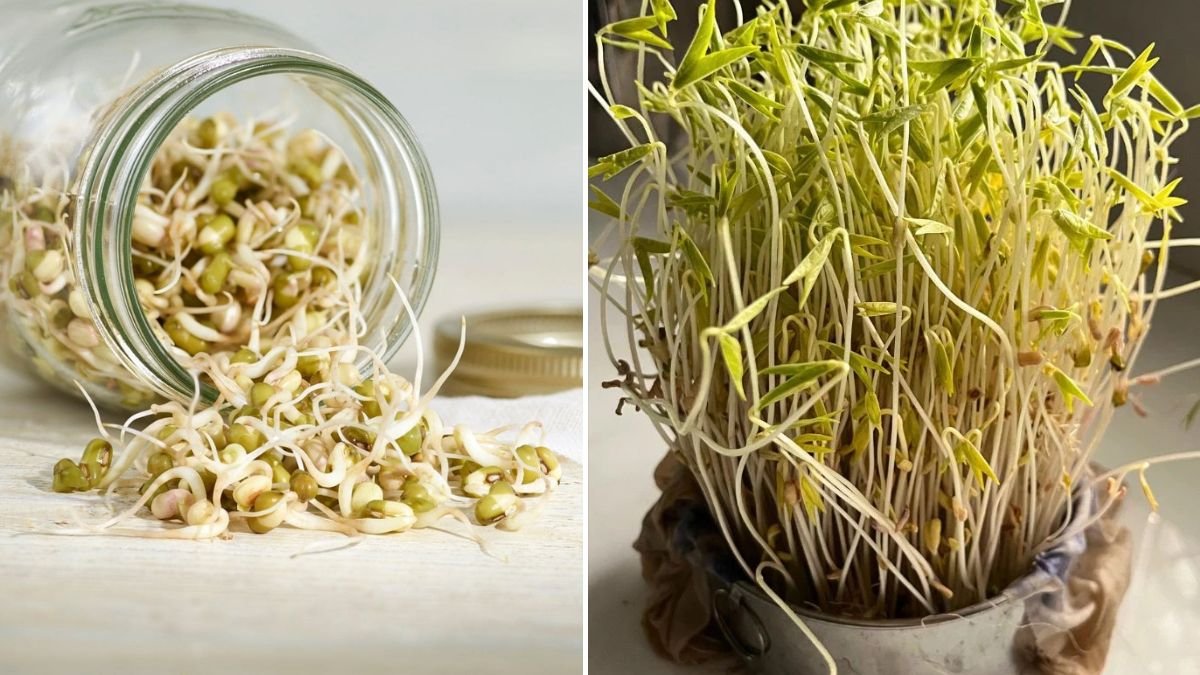
Why Bean Sprouts Are a Nutritional Powerhouse
Bean sprouts are most commonly made from mung beans, but lentils, chickpeas, soybeans, and other legumes can also be sprouted. When a bean begins to sprout, it undergoes a remarkable transformation. Enzymes are activated that break down complex starches and proteins into simpler, more digestible forms. This process not only makes sprouts easier to digest but also boosts their nutrient availability.
Compared to unsprouted beans, bean sprouts contain:
- Higher levels of vitamin C
- Increased B vitamins
- More accessible iron and calcium
- Improved protein digestibility
- Plenty of fiber, which supports gut health and stable blood sugar
They are also extremely low in calories and fat, making them ideal for anyone trying to eat clean, lose weight, or improve metabolic health.
The Growing Trend of Home Sprouting
In recent years, more people have begun growing their own sprouts at home. The reasons are simple: freshness, affordability, and safety. Store-bought sprouts can sometimes be linked to contamination outbreaks, because the warm, moist conditions needed for sprouting are also perfect for bacterial growth. When you grow sprouts yourself, you control every step—from seed quality to cleanliness—dramatically reducing risk.
Home sprouting is also incredibly economical. A small packet of seeds can produce dozens of batches of sprouts, saving money while providing a steady supply of fresh greens.
Focus Keyword: Healthy Bean Sprouts Growing Methods
To truly enjoy the benefits of sprouts, you must follow healthy bean sprouts growing methods that maximize nutrition and minimize risk. Here’s how to do it the right way.
Step-by-Step Guide to Growing Healthy Bean Sprouts
1. Start With the Right Seeds
Always buy seeds specifically labeled for sprouting. These are tested for high germination rates and lower levels of contamination. Avoid seeds meant only for planting in soil, as they may have been treated with chemicals.
Popular choices include:
- Mung beans (classic crunchy sprouts)
- Lentils
- Chickpeas
- Adzuki beans
2. Rinse Thoroughly
Before soaking, rinse the seeds under clean, cool water to remove dust and debris. This first rinse helps wash away surface bacteria and prepares the seeds for hydration.
3. Soak Overnight
Place the seeds in a clean jar or bowl and cover them with several inches of water. Let them soak for 8 to 12 hours. During this time, the seeds absorb water and begin the germination process.
After soaking, drain the water completely.
4. Rinse and Drain Twice Daily
This step is the heart of healthy sprouting. Rinse the seeds with fresh water two times a day—morning and evening. Each time, swirl gently, then drain thoroughly so no standing water remains. Excess water can lead to mold or bacterial growth.
Good drainage is critical. Use:
- A jar with a mesh or perforated lid
- A sprouting tray
- Or a bowl covered with breathable cloth
5. Provide the Right Environment
Keep your sprouts in a cool, well-ventilated place, away from direct sunlight. Light can make sprouts bitter and may slow proper development. Ideal room temperature is between 18–24°C (65–75°F).
Airflow is just as important as temperature. Stagnant air encourages spoilage, while gentle circulation keeps sprouts fresh.
6. Watch Them Grow
Within 24 to 48 hours, you’ll see tiny shoots appear. Over the next few days, they’ll rapidly lengthen. Most bean sprouts are ready to harvest when they reach 1 to 2 inches long, usually in 3 to 7 days depending on the bean type and room temperature.
7. Final Rinse and Storage
When your sprouts are ready, give them a final rinse and drain well. Store them in a clean, covered container in the refrigerator. Properly stored sprouts stay fresh for up to one week.
How Growing Methods Affect Nutrition
The way you grow your sprouts directly influences their nutrient profile. Proper rinsing and gentle temperatures encourage strong enzyme activity, which:
- Increases vitamin content
- Improves protein quality
- Reduces anti-nutrients like phytic acid that block mineral absorption
In contrast, poorly grown sprouts may have lower nutrient levels and a higher risk of spoilage. This is why following healthy bean sprouts growing methods is so important.
Are Bean Sprouts Safe to Eat?
Bean sprouts are healthy, but they do require care. Because sprouts grow in warm, moist conditions, harmful bacteria can sometimes thrive if hygiene is poor. To reduce risk:
- Always start with clean seeds and clean equipment
- Rinse sprouts thoroughly
- Store them in the refrigerator
- Eat them within a week
For people with weakened immune systems, pregnant women, or young children, lightly cooking sprouts is a good idea. A quick steam or stir-fry greatly reduces the risk while preserving most of the nutrients.
Delicious Ways to Enjoy Bean Sprouts
Once you’ve grown your own fresh sprouts, you’ll want to use them everywhere. Here are some easy and tasty ideas:
- Salads: Add raw bean sprouts for crunch and freshness
- Stir-fries: Toss them in at the last minute for a crisp texture
- Soups: Sprinkle on top just before serving
- Wraps and sandwiches: A light, refreshing alternative to lettuce
- Curries: Briefly sautéed sprouts add nutrition without overpowering flavor
Pairing sprouts with grains, nuts, or dairy creates a complete protein profile, making meals more balanced and satisfying.
Why Home-Grown Sprouts Are Better
Home-grown sprouts are superior to store-bought in several ways:
- Fresher: You harvest them at peak crispness
- Safer: You control cleanliness and handling
- More nutritious: No long storage or shipping time
- Cheaper: A small amount of seeds yields many batches
- Eco-friendly: No plastic packaging or transport footprint
Once you start growing your own, it’s hard to go back.
Final Thoughts
If you truly want to eat healthy bean sprouts, don’t overlook the importance of how they’re grown. By following simple, proven growing methods—starting with quality seeds, rinsing regularly, and maintaining clean conditions—you can enjoy crisp, nutritious sprouts all year round.
These tiny greens offer a huge return: better digestion, more vitamins, cleaner eating, and a deeper connection to your food. Whether you’re adding them to salads, stir-fries, or smoothies, bean sprouts are one of the easiest and most powerful upgrades you can make to your diet.