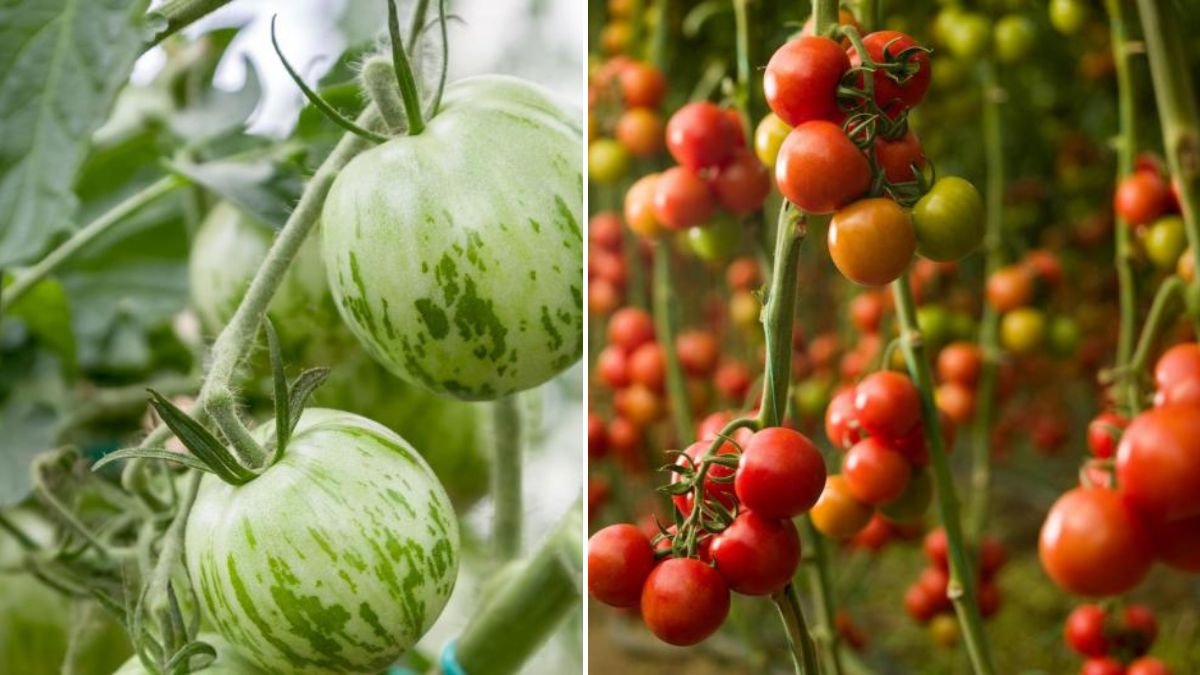
🍅 Why Tomato Harvests Vary
Tomato yields can vary significantly between gardeners because the plants are highly responsive to environmental conditions, soil quality, and care routines. A few key factors that determine success include:
- Sunlight: Tomatoes thrive with 6–8 hours of direct sunlight daily. Without enough light, flowers may not form, or fruit may fail to ripen. (UMass Extension)
- Soil quality: Nutrient-rich, well-draining soil supports strong roots and healthy plants. (UMass Extension)
- Watering: Both overwatering and underwatering can reduce fruit set or cause disease. (Burpee)
- Plant spacing and airflow: Crowded plants reduce air circulation, which increases disease risk and limits fruit development. (Lost Coast Plant Therapy)
Even small adjustments in these areas can lead to dramatically higher yields, making it possible to grow three times more tomatoes with minimal extra effort.
🌱 Step 1: Choose the Right Spot and Prepare Soil
The foundation for a successful tomato harvest starts with site selection and soil preparation:
🌞 Full Sun Exposure
Tomatoes need at least 6–8 hours of direct sunlight daily to produce flowers and fruit. Insufficient light leads to weak plants and fewer blooms. Choose a sunny location in your garden or a bright, south-facing balcony if growing in containers. (UMass Extension)
🌱 Rich, Well-Draining Soil
Healthy roots are the key to high yields. Add organic matter, such as compost or well-rotted manure, to improve soil structure, fertility, and water retention. Tomatoes prefer slightly acidic soil with a pH between 6.0 and 6.8.
💡 Rotate Crops
Avoid planting tomatoes in the same soil each year to prevent soil-borne diseases. Rotate with other crops like beans or leafy greens to keep soil healthy. (Burpee)
🌱 Step 2: Plant Deep and Space Correctly
Correct planting depth and spacing improve root growth, airflow, and fruit production.
📏 Planting Depth
Bury seedlings deeper than they were in their pots, up to the first set of leaves. Tomatoes can develop roots along the buried stem, creating a stronger root system that supports more fruit. (Old Farmer’s Almanac)
🔁 Proper Spacing
Space plants 18–36 inches apart, depending on the variety. Adequate spacing allows air circulation, reduces disease risk, and ensures each plant receives enough sunlight. (Backyard Garden Lover)
🌿 Step 3: Support and Train Tomatoes
Tomato plants are vines that need structural support to grow upright and healthy:
📍 Stakes, Cages, or Trellises
Using supports prevents fruit from resting on the ground, reduces rot, and improves airflow around the plant. Healthy plants produce more flowers and fruit naturally. (Lost Coast Plant Therapy)
💡 Grow Upwards
Training vines vertically not only saves space but also makes harvesting easier. Vertical growth also directs the plant’s energy toward fruit production rather than sprawling foliage.
💦 Step 4: Water Correctly
Tomatoes need consistent moisture, but overwatering can harm growth:
- Water deeply: Direct water to the soil to encourage strong root growth.
- Avoid wet foliage: Watering leaves can promote fungal diseases.
- Mulch: Cover soil with straw or wood chips to retain moisture and prevent weeds. (Burpee)
🌾 Step 5: Fertilize Wisely
Tomatoes are heavy feeders. Use fertilizers to balance growth:
- Pre-planting: Incorporate compost or a balanced fertilizer into soil.
- During flowering: Switch to a fertilizer higher in phosphorus and potassium to support flowering and fruiting. Avoid excess nitrogen, which encourages leaves instead of fruits. (Burpee)
✂️ Step 6: Prune for Higher Yields
Pruning channels the plant’s energy from foliage to fruit production:
- Remove lower leaves: Improves airflow and reduces disease risk.
- Pinch suckers: Indeterminate varieties produce side shoots called “suckers” that should be removed to boost fruit growth.
- Avoid heavy pruning on determinate types: Bush tomatoes fruit all at once, so over-pruning may reduce yield. (Yates)
🌼 Step 7: Protect from Pests and Weather
Protecting plants reduces stress and supports higher yields:
- Row covers: Shield young plants from pests and cold, helping them grow strong. (Backyard Garden Lover)
- Companion planting: Plant basil, marigolds, or herbs nearby to repel pests and attract pollinators.
- Monitor for diseases: Remove affected leaves promptly to maintain healthy plants.
📈 Step 8: Stagger Plantings for Continuous Harvest
Rather than planting all tomatoes at once, stagger seedings or transplants by 2–3 weeks. This ensures a continuous harvest instead of a single overwhelming crop. (Garden Design)
📌 Authoritative Sources
- Old Farmer’s Almanac – 10 Secrets to Growing More Tomatoes (almanac.com)
- Gardening Know How – Increase Tomato Yields (gardeningknowhow.com)
- UMass Extension – Ten Tricks for Growing Better Tomatoes (umass.edu)
- Burpee – 10 Tips for Perfect Tomatoes (burpee.com)
- Lost Coast Plant Therapy – Increase Tomato Yields (lostcoastplanttherapy.com)
🍅 Final Thoughts: Maximum Yield With Minimal Effort
Growing tomatoes the right way is about smart planting, proper care, and ongoing observation. By ensuring the right sunlight, soil fertility, plant support, watering, pruning, and protection from pests, you can enjoy three times more harvest without extra labor.
Even beginner gardeners can apply these strategies to see healthier plants, more flowers, and a bountiful tomato harvest throughout the season. With minimal effort and consistent care, your garden can produce juicy, flavorful tomatoes that will impress family and friends — and significantly reduce grocery bills.