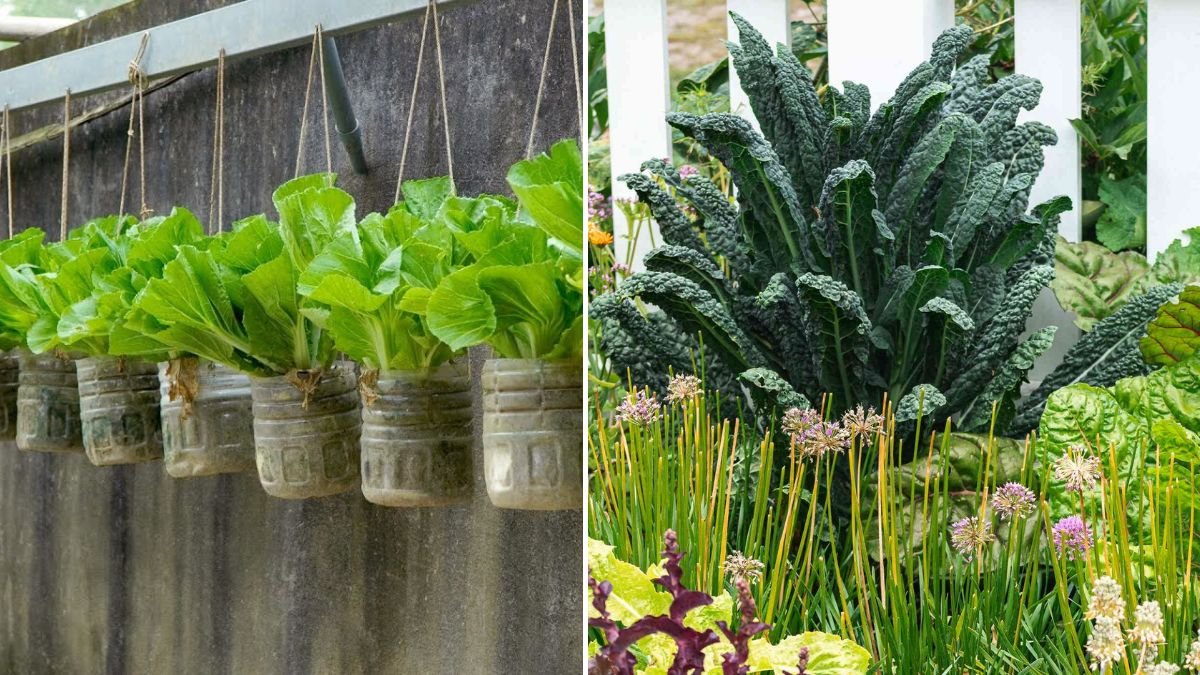
The Rise of No-Garden Gardening
Over the past few years, more people have embraced small-space and container gardening. Rising food costs, concerns about pesticide use, and a desire for fresher produce have encouraged home growers to find creative solutions. Vertical gardens, windowsill planters, grow bags, and even hydroponic systems now make it possible to grow vegetables almost anywhere. But the real breakthrough is not just where we grow—it’s what we grow.
Certain vegetables are naturally designed to regrow after harvest. Instead of pulling out the entire plant, you simply trim off what you need, and the plant responds by producing new leaves or shoots. This method—often called “cut-and-come-again”—lets you harvest repeatedly from the same plant for weeks or even months. When paired with container gardening, it becomes the foundation of [FOCUS KEYWORD], allowing you to grow more food in less space than ever before.
What Does “Up to 10 Harvests” Really Mean?
When gardeners talk about getting up to 10 harvests from a single plant, they are not exaggerating. Many leafy greens and quick-growing vegetables can be harvested every one to three weeks. Over a typical three- to four-month growing season, that adds up quickly. For example, if you harvest loose-leaf lettuce every 10 to 14 days, you could easily reach eight to ten harvests before the plant slows down or bolts to seed.
The key is harvesting properly. Instead of cutting the whole plant at once, you remove only the mature outer leaves and leave the central growing point intact. This allows the plant to continue photosynthesis and push out new growth. With consistent watering, feeding, and sunlight, the plant keeps producing, making [FOCUS KEYWORD] both practical and highly rewarding.
The Star Vegetables for Continuous Harvest
Not all vegetables are suited for repeated harvesting, but several are true champions when it comes to regrowth. These are the stars of no-garden gardening.
Loose-leaf lettuce is often the first vegetable people think of when they hear about continuous harvest. Unlike head lettuce, which forms a tight ball that is harvested once, loose-leaf varieties produce individual leaves that can be picked again and again. They grow quickly, tolerate container life, and thrive in cool to moderate temperatures.
Spinach is another excellent choice. When harvested correctly, spinach plants send out new leaves from the center. It’s nutrient-dense, compact, and well suited for shallow pots or window boxes.
Kale and Swiss chard are among the longest-lasting cut-and-come-again vegetables. Both can produce leaves for months. Swiss chard, in particular, is known for its colorful stems and impressive resilience. Even when heavily harvested, it quickly rebounds with fresh, tender leaves.
Pea shoots are a lesser-known but incredibly productive option. Instead of waiting for full pea pods, you harvest the young shoots and leaves, which have a sweet, pea-like flavor. After cutting, the plant regrows new shoots, giving you multiple harvests from the same planting.
Green onions are almost magical in how they regrow. When you cut off the green tops, the white base left in the soil continues to produce new shoots. With minimal care, you can keep harvesting the same clump for months.
Together, these vegetables form the backbone of [FOCUS KEYWORD], offering high yields, fast regrowth, and adaptability to small spaces.
Why Containers Work So Well
One of the biggest misconceptions about vegetable gardening is that plants need deep soil and large plots to thrive. In reality, many continuous-harvest vegetables have shallow root systems and are perfectly happy in pots, grow bags, or window boxes. Containers also give you more control over soil quality, drainage, and placement. You can move your plants to chase the sun, protect them from extreme weather, or bring them indoors when conditions are harsh.
High-quality potting mix, combined with good drainage and regular feeding, creates an ideal environment for fast, healthy growth. Because you are harvesting frequently, container plants often perform even better than those in the ground. The result is a steady supply of fresh leaves and shoots that make [FOCUS KEYWORD] not just possible, but highly productive.
How to Harvest for Maximum Regrowth
The secret to getting up to 10 harvests lies in how you pick your vegetables. Always use clean, sharp scissors or garden snips. This prevents tearing and reduces the risk of disease. Start by removing the largest, outermost leaves, cutting them close to the base. Never remove more than one-third of the plant at a time. This ensures the plant has enough foliage left to continue growing.
For herbs and pea shoots, snip just above a leaf node or growth point. This encourages branching, which leads to even more leaves in the next round of growth. By harvesting often but gently, you keep the plant in a constant cycle of regeneration, which is the heart of [FOCUS KEYWORD].
Feeding and Watering for Continuous Production
Plants that are harvested repeatedly need consistent nutrition. Each time you remove leaves, the plant must use energy and nutrients to grow replacements. In containers, nutrients wash out more quickly than in garden beds, so regular feeding is essential. A balanced liquid fertilizer or organic compost tea applied every two to three weeks will keep your plants vigorous and productive.
Watering is just as important. Containers dry out faster, especially in warm weather. Most leafy greens prefer evenly moist soil, not soggy and not bone-dry. Checking your pots daily and watering as needed will prevent stress that could slow regrowth or cause plants to bolt to seed.
Succession Planting for Non-Stop Harvests
While cut-and-come-again harvesting can give you many harvests from one planting, combining it with succession planting takes [FOCUS KEYWORD] to the next level. Succession planting simply means starting new seeds every few weeks. As older plants begin to slow down, younger ones are just reaching peak production. This overlapping cycle ensures that you always have fresh plants ready to harvest.
In a small space, this might mean starting a new tray of lettuce or spinach every two to three weeks. By rotating containers or adding new ones as older plants age, you can maintain a nearly constant supply of greens throughout the season.
The Economic and Health Benefits
Growing your own continuous-harvest vegetables is not just convenient—it’s economical. A single packet of lettuce or kale seeds can provide months of food, replacing multiple trips to the grocery store. Because you harvest only what you need, there is far less waste. Leaves go straight from plant to plate, preserving their flavor, texture, and nutrients.
There is also a powerful health benefit. Freshly harvested greens contain more vitamins and antioxidants than produce that has been shipped and stored for days or weeks. When you practice [FOCUS KEYWORD], you’re not just saving money—you’re eating better.
A Simple Path to Big Yields
The idea that you need a large garden to grow your own food is outdated. With continuous-harvest vegetables, a few containers, and a bit of care, you can enjoy repeated harvests from the same plants all season long. Whether you choose lettuce, spinach, kale, Swiss chard, pea shoots, or green onions, the principles remain the same: harvest gently, feed regularly, and keep your plants happy.