🌿 Introduction: The Yardlong Bean Yield Surprise
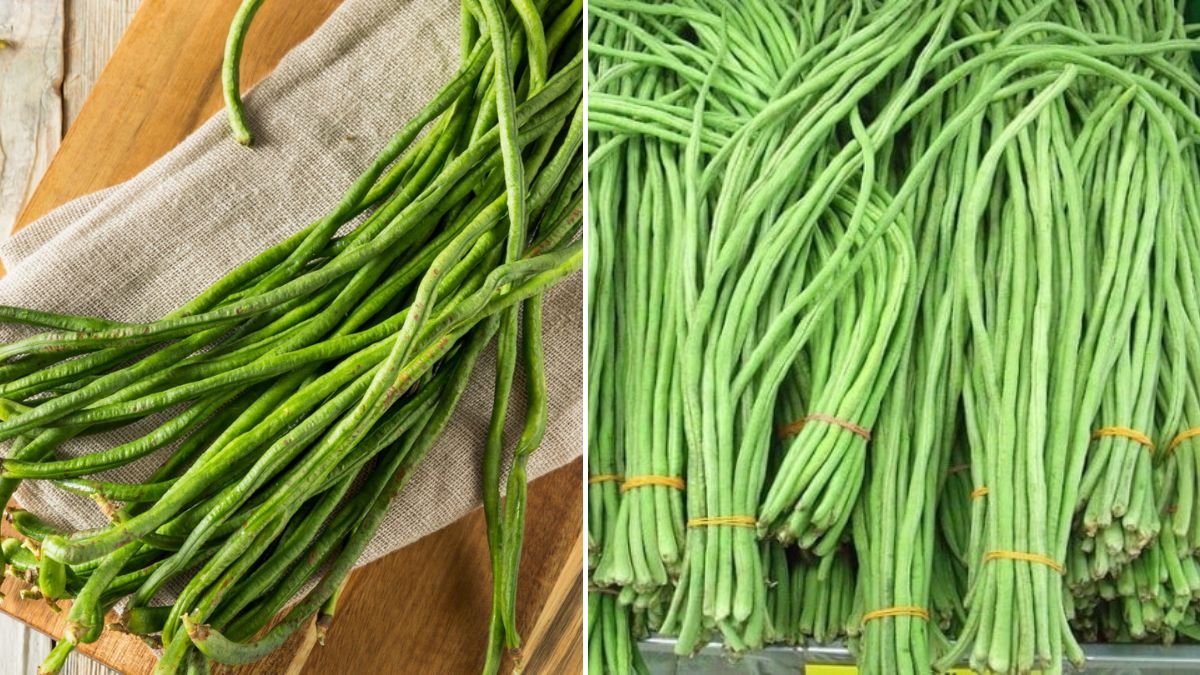
Yardlong beans, also called asparagus beans or snake beans (Vigna unguiculata subsp. sesquipedalis), are already favorites for home gardeners because of their long, tender pods and vigorous climbing habit. But recently, a simple method has gone viral among gardening communities, claiming to increase yardlong bean yields up to 10X. Gardeners trying it have reported astonishing results — stronger plants, more pods per vine, and a longer harvest season.
If you’ve ever struggled with small yields, slow-growing vines, or inconsistent pods, this guide will show you how to apply this method step by step. It combines practical gardening tips, scientific backing, and real-life experiences, so even beginners can see remarkable results. (youtube.com)
🌾 Background: Understanding Yardlong Beans
Yardlong beans are warm-season climbers that thrive in full sun, fertile soil, and consistent warmth. They are legumes, which means they fix nitrogen naturally, improving the soil for other crops in your garden. They produce pods that can reach 10–18 inches long and are tender when harvested young. (homesandgardens.com)
Traditional cultivation requires rich soil, good support, and regular watering. Pods are harvested frequently to maintain continuous production. However, gardeners using enhanced methods — adjusting spacing, nutrients, and support systems — have seen dramatic improvements in pod number and size, leading to yields far beyond traditional expectations. (hortsci.agriculturejournals.cz)
🌱 Step 1: Prepare High-Quality Soil
The foundation of any high-yield yardlong bean crop is fertile, well-draining soil:
- Mix in organic compost or aged manure for nutrients.
- Loosen soil to a depth of 12–18 inches to allow roots to spread.
- Adjust pH to 6.0–7.0 for optimal nutrient uptake. (newsbytesapp.com)
A nutrient-rich medium encourages strong vine growth, abundant flowering, and robust pod formation — all critical for high yields.
🌞 Step 2: Choose the Right Planting Time
Yardlong beans are warm-weather plants. Plant after the last frost when soil temperatures are above ~60°F (15.5°C). In cooler regions, start seeds indoors 2–3 weeks before transplanting outdoors to extend the growing season. (realitypathing.com)
Warm, consistent temperatures and long daylight hours promote faster flowering, more pods, and healthier vines.
🪴 Step 3: Provide Strong Vertical Support
These climbing beans can reach 10 feet or more. Install trellises or poles at planting time, not after vines grow. Benefits include:
- Improved air circulation, reducing fungal disease.
- Pods off the ground, preventing rot and pest damage.
- Easier harvesting. (vegplotter.com)
A solid support system allows vines to focus energy on flowering and pod production rather than sprawling along the ground.
💧 Step 4: Watering & Fertilization
Though yardlong beans fix nitrogen, they still benefit from balanced nutrients early on, especially if your soil is light on organic matter. (terropia.com)
Watering tips:
- Keep soil consistently moist, particularly during flowering and pod set.
- Water at the base of plants to prevent foliar diseases.
- Mulch to retain moisture and reduce weeds. (vegplotter.com)
Fertilization tips:
- Use phosphorus-rich fertilizer as pods form to boost flower and pod production.
- Avoid overfeeding with nitrogen, which promotes leaf growth over pod production. (terropia.com)
Consistent care ensures strong, healthy vines capable of producing multiple pods per node.
✂️ Step 5: Pruning & Training
Training and pruning improve pod yields:
- Guide vines along trellis supports for even growth.
- Pinch back tips at 5–6 feet to encourage lateral branching and more flower nodes.
- Remove damaged or diseased leaves to maintain airflow and plant health. (gardenish.co)
These small adjustments can significantly increase both pod number and size.
🌼 Step 6: Harvest Frequently
Harvest pods when young and tender, about 10–18 inches long.
- Frequent harvesting encourages the plant to produce more pods. (homesandgardens.com)
- Check plants every 2–3 days during peak season.
- Remove mature pods promptly to prevent flower drop and stimulate continuous flowering. (vegplotter.com)
Regular picking is one of the most effective ways to maximize yield.
📊 Science Behind High-Yield Methods
Studies confirm that nutrient management, plant spacing, and support structures dramatically affect yardlong bean yield:
- Hydroponic trials showed that optimized nutrient solutions increase flower count, pod weight, and total yield compared to standard soil methods. (hortsci.agriculturejournals.cz)
This validates the gardener experience: careful management leads to exponential production gains.
🌿 Challenges & Solutions
Pests & Diseases: Watch for aphids, beetles, and powdery mildew. Use organic pest control or neem oil sprays, and rotate crops yearly to minimize risk. (gardenish.co)
Water Stress: Inconsistent watering can cause flower drop and reduced pod formation. Maintain consistent moisture, especially during flowering. (realitypathing.com)
🍽️ Why Yardlong Beans Are Worth Growing
- Fast-growing: ready in ~60–75 days from sowing. (newsbytesapp.com)
- Highly productive with proper care.
- Nutrient-rich and versatile in the kitchen.
- Great for small spaces using vertical supports.
The combination of high yields, continuous harvest, and nutritious pods makes yardlong beans ideal for both novice and experienced gardeners.
📚 Recommended Authoritative Sources
- NewsBytes – Yardlong Beans: Essential Gardening Tips (newsbytesapp.com)
- Homes and Gardens – How to Grow Yardlong Beans (homesandgardens.com)
- Gardenish Plant Encyclopedia – Yardlong Bean Care (gardenish.co)
- RealityPathing – When to Sow Yardlong Beans for Optimal Yield (realitypathing.com)
🌟 Conclusion
By following this simple method, you can dramatically improve your yardlong bean harvest. With nutrient-rich soil, consistent care, proper support, pruning, and frequent harvesting, your vines can produce 10X more pods than usual. This method works for both backyard gardens and container setups, making it accessible to all home gardeners.
Ready to boost your yield this season? Plant your yardlong beans, follow these steps carefully, and prepare to be amazed by your harvest!